Why Aluminium Internal Doors Are Becoming a Design Statement
Aluminium internal doors have moved from commercial buildings into the best residential interiors. Here's why they're worth considering for your home in 2026.
For years, aluminium doors were considered an external product, bifolds to the garden, entrance doors to the street. But the same qualities that make aluminium such an excellent external door material, slim profiles, precision engineering, long life, any-RAL colour, have made it increasingly desirable inside the home.
The Crittall-Style Revival
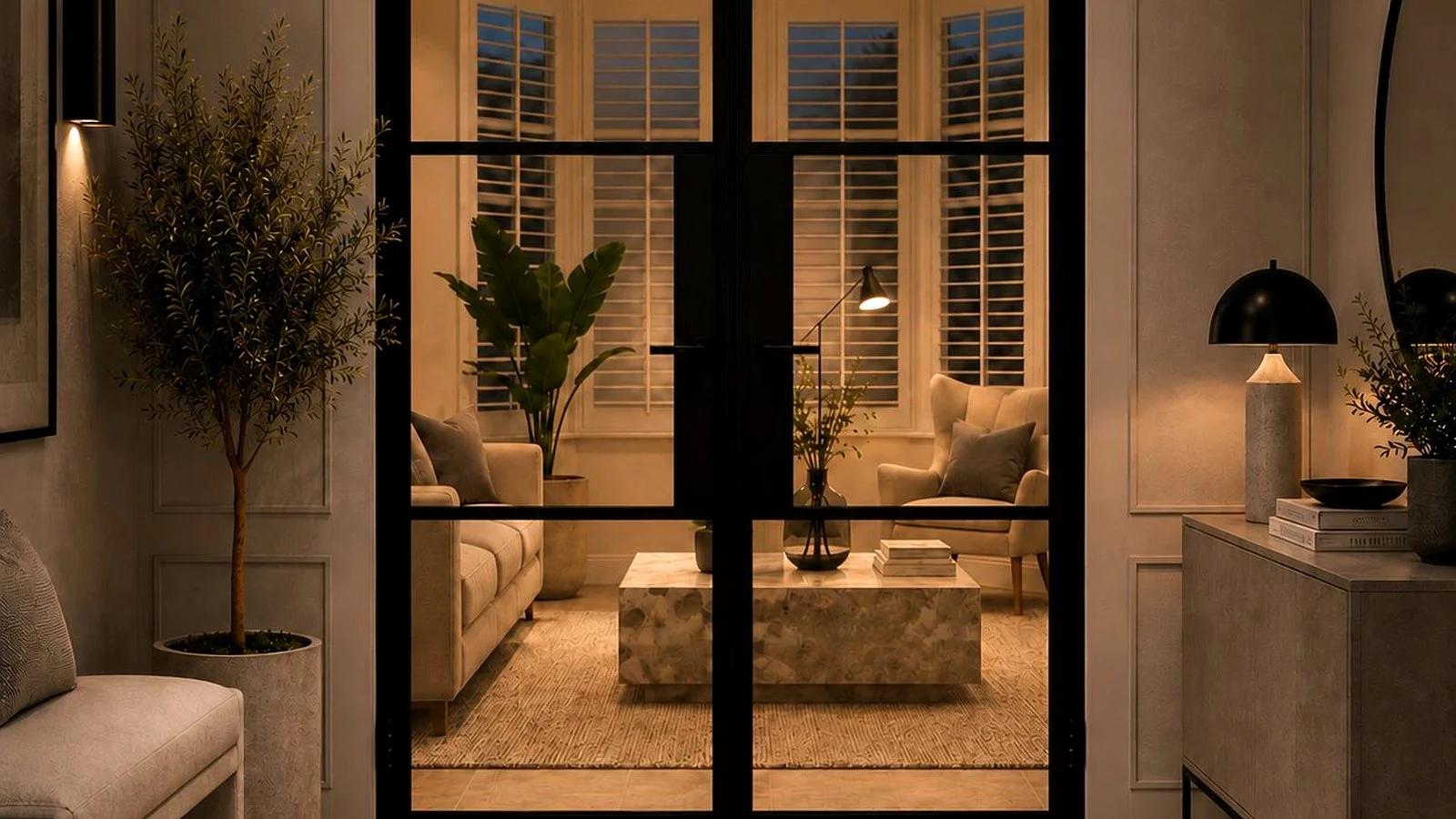
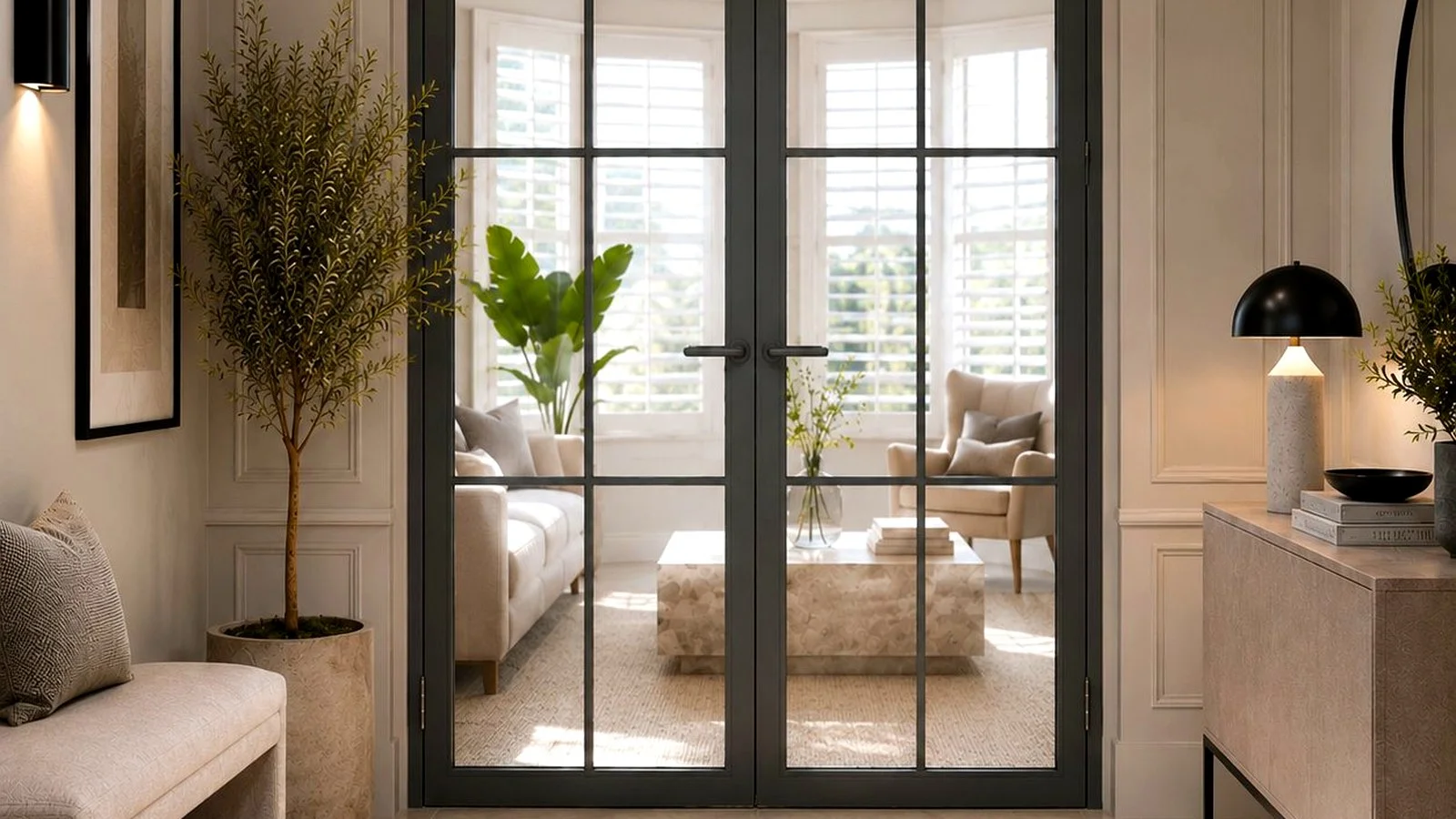
The trend for Crittall-style internal glazing, large glass panels in slim black metal frames, has been one of the most significant in UK interior design over the last decade. Originally this was achieved with genuine Crittall steel frames. Today, aluminium systems replicate the aesthetic with better thermal performance, lower maintenance, and greater design flexibility.
The appeal is straightforward: in an open plan home, internal glazed doors and partitions allow light to flow between rooms while maintaining a degree of acoustic separation. A fully glazed aluminium internal door from a kitchen into a hallway, or from a dining room into a study, keeps the home feeling connected while still defining separate spaces.
Why Aluminium Works Internally
Slim frames
Internal aluminium door systems can achieve frame widths of just 20–40mm, far slimmer than timber or composite internal doors. The result is a door that is largely glass, maximising light transmission between rooms.
Design coherence
If your bifold doors are in anthracite grey, your entrance door is in the same colour, and your internal doors match, the home has a coherent material language that reads as intentional and sophisticated. This design coherence adds to the perceived quality of an interior and is something buyers notice.
Durability
Timber internal doors warp, scratch, and look tired after years of family use. Aluminium does not warp. A powder-coated aluminium frame can be wiped clean with a damp cloth and will look as good in 20 years as it does today.
Any configuration
Aluminium internal doors can be single or double, hinged or sliding, full height or standard, with any glass configuration. Floor-to-ceiling pivot doors in aluminium are currently one of the most coveted interior design elements in high-end renovations.
Where to Use Them
• Kitchen to utility room, matching the external bifolds for visual continuity
• Study or snug off an open plan living space, acoustic separation without visual separation
• Master bedroom to en-suite, a full-height glazed partition with pivot or barn-door action creates a hotel-quality finish
• Hallway to garden room, maintaining light flow through a deeper floor plan
What to Specify
For internal aluminium doors, you don't need the thermally broken, double-glazed specification required externally, but you do need quality hardware, toughened safety glass (required where human impact is possible), and a powder coat that matches your external frame colour.
SmartaView's internal door range is designed to work coherently with our external Origin door range, same colour palette, same hardware finish, same design language.
Contact SmartaView to Discuss How Internal Aluminium Doors Could Complete Your Project
Explore more
Author at SmartaView, writing about aluminium glazing, home improvements and the buying process.