Double-Glazed Unit Thickness Explained: What to Check Before Ordering
Understand the difference between pane thickness, cavity width and overall sealed-unit thickness when ordering replacement glass.
Understand the difference between pane thickness, cavity width and overall sealed-unit thickness when ordering replacement glass.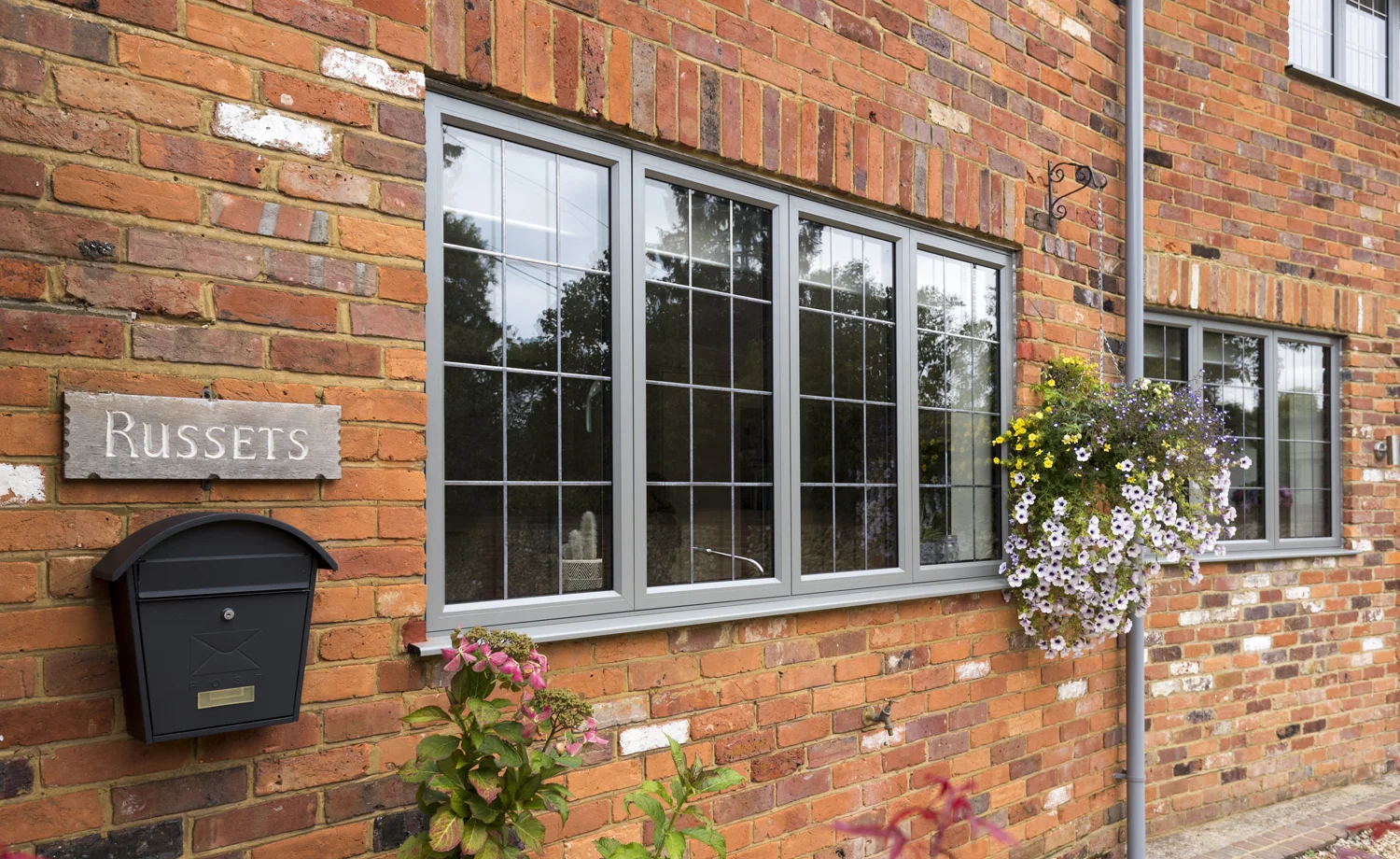
Read the numbers in order
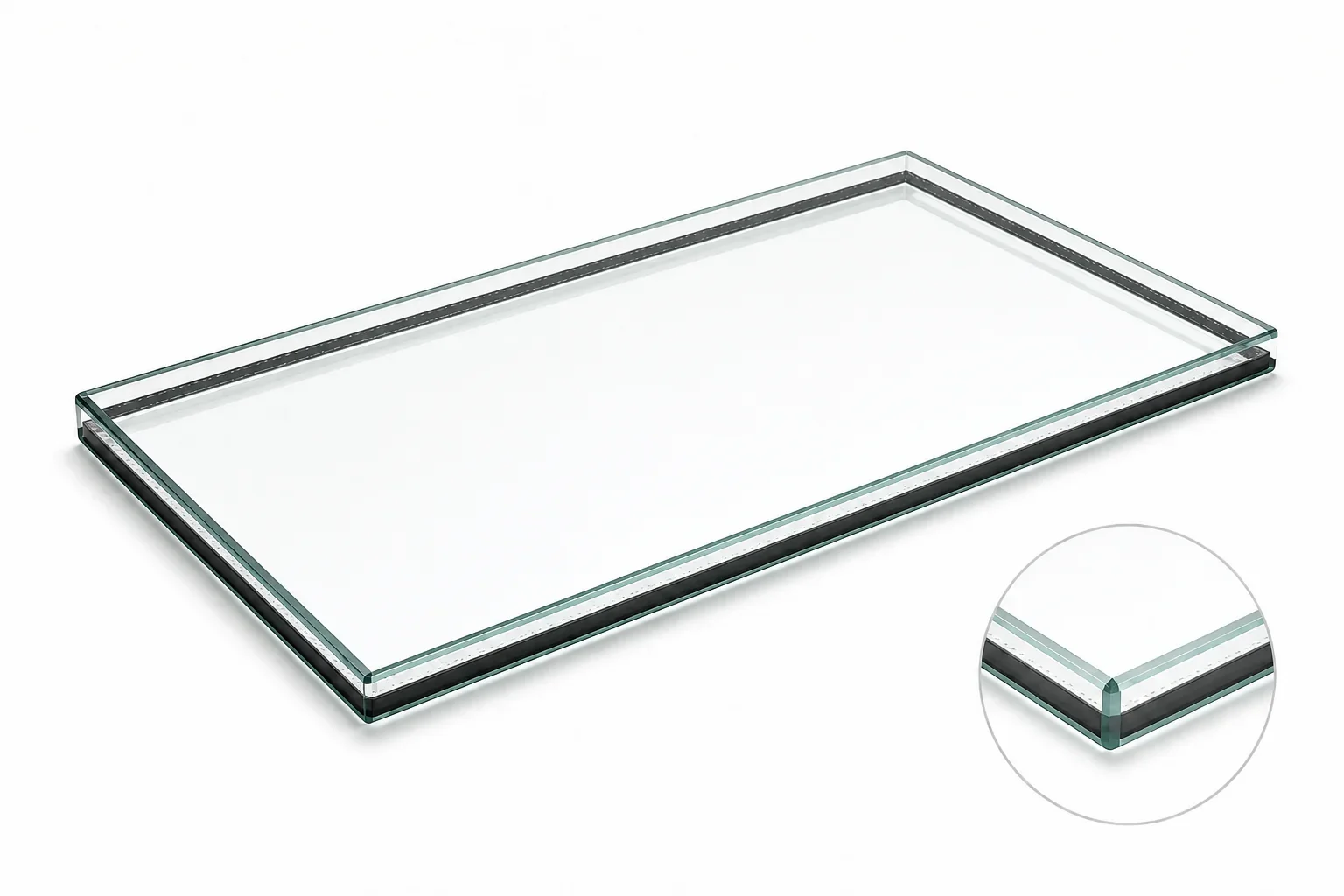
A glass build-up can describe the first pane, the spacer cavity and the second pane. Add those dimensions to work out the nominal overall thickness. A laminated pane can itself contain multiple layers, so ask for the full specification if that matters for your project.
Match the frame’s glazing system
A sealed unit has to fit the frame and its glazing beads. Ask your fitter to verify what the existing frame can accept before ordering a thicker unit or swapping glass types.
Send the complete measurements
Ask your fitter to record the unit width, height and overall thickness in millimetres. Include any required safety glass, coatings or privacy finish, and where in the window the unit is going.
A useful check before you order
Take a photo from each side of the opening and annotate the dimensions your fitter has checked. Keep the latest drawing with the written quote so everyone is working from the same layout. Record any size, finish or glass option that still needs approval.
Does laminated mean toughened?
Laminating and toughening describe different aspects of glass. If your project needs toughened laminated glass, ask for written confirmation of the individual sheets within the laminate as well as any separate pane.
Ready to price your project?
Browse made-to-measure double-glazed units to compare the available products. For a bespoke arrangement, send SmartaView your measurements, photos and delivery postcode. Include your desired fitting date so we can check the specification and available lead time.
Author at Smartaview, writing about aluminium glazing, home improvements and the buying process.