Aluminium vs uPVC Bifold Doors: Which Is Better? (2026)
Aluminium or uPVC bifold doors? Compare cost, slim sightlines, strength, lifespan and glass area to find the right choice for your UK home in 2026.
Bifold doors fold back to open up a whole wall of your home to the garden, and the two materials most people weigh up are aluminium and uPVC. They look similar in a brochure, but they behave very differently once installed. Here is an honest, side by side comparison to help you decide.
The short answer
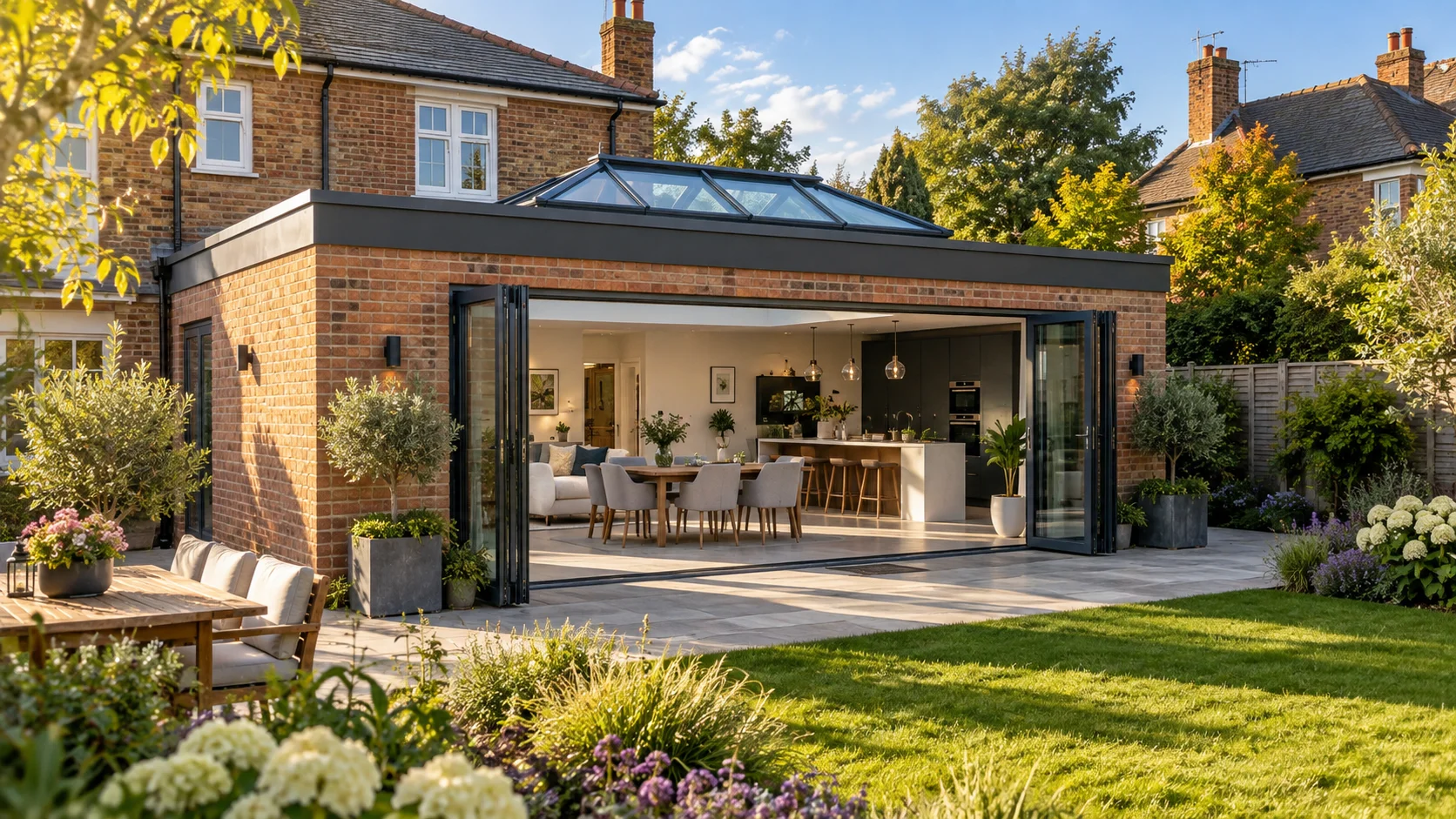
If you want the slimmest frames, the largest panels and a door that still looks and works well in 20 years, aluminium wins. If your only priority is the lowest upfront price on a small opening, uPVC can be cheaper. For most extensions and open plan renovations, aluminium is the better long term value, which is why it now dominates the premium market.
Frame slimness and glass area
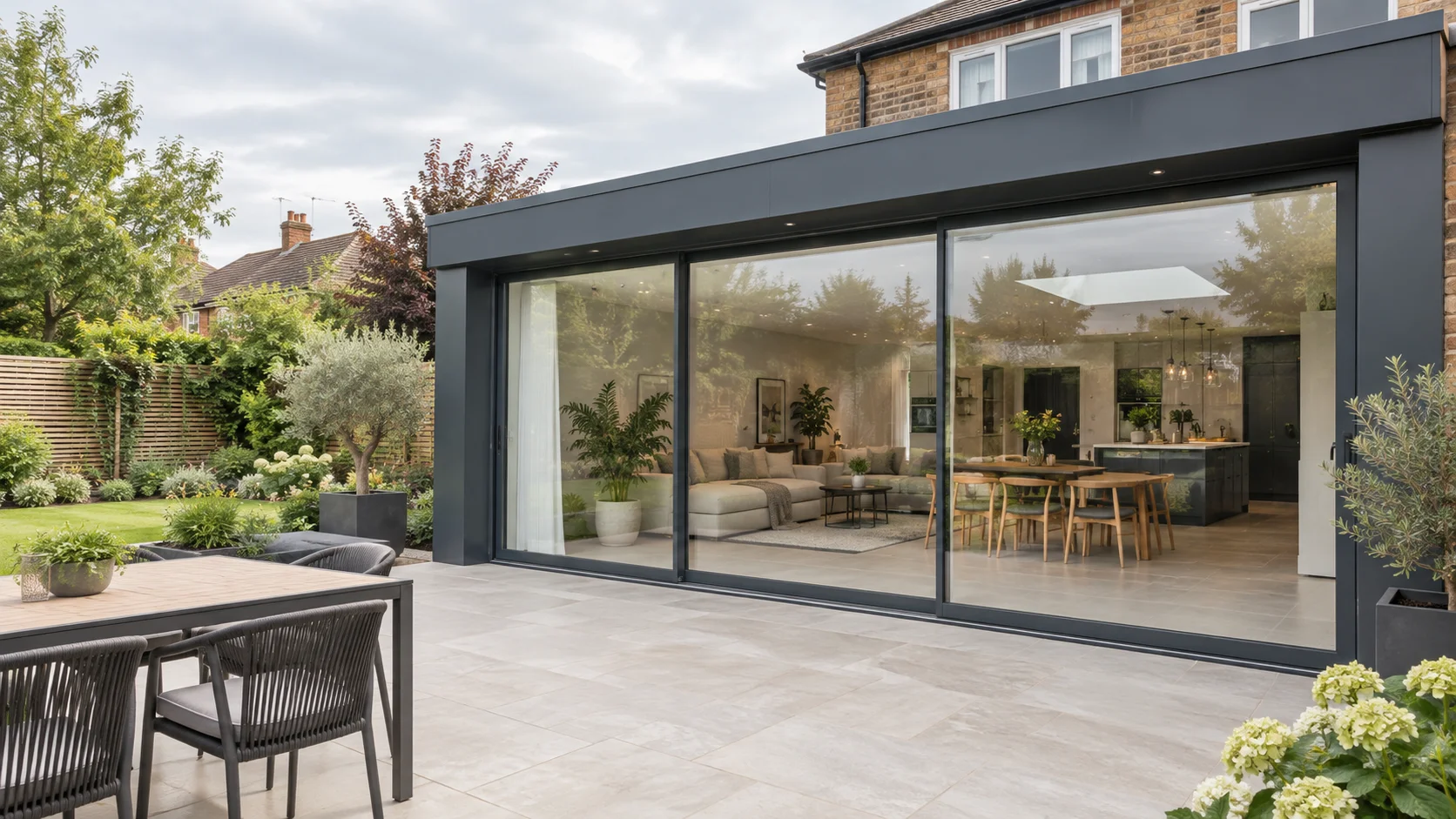
This is the biggest visible difference. Aluminium is far stronger than uPVC, so the frames can be much thinner while carrying the same weight of glass. That means more glass, more light and a cleaner view. uPVC needs bulkier frames and often a steel reinforcing core to stay rigid, so you lose glass area and end up with a chunkier look.
On a wide opening, uPVC also limits how many panels you can have and how large each one can be, because the material flexes. Aluminium bifolds can span much wider runs while keeping each panel tall and slim.
Strength, security and lifespan
Aluminium does not warp, swell or discolour, and it holds its shape through hot summers and cold winters. Good aluminium bifolds are tested to PAS 24 security standards and take multipoint locking well. uPVC can distort over time, especially in dark colours in direct sun, which can eventually affect how smoothly the doors run.
A quality aluminium bifold should last 30 years or more with minimal maintenance. uPVC typically has a shorter usable life before the seals and running gear start to show their age.
Thermal performance
Modern aluminium bifolds use a polyamide thermal break, a non conductive barrier inside the frame that stops heat escaping through the metal. Combined with modern double glazing, they achieve strong U values that meet UK Building Regulations. uPVC is naturally a good insulator too, so on paper the two are close. The practical difference is that aluminium reaches good performance without the bulk.
Colour and finish
Aluminium is powder coated, giving a tough, even finish available in almost any RAL colour, including popular anthracite grey, black and dual colour options (one colour outside, another inside). The finish is baked on and holds up well. uPVC is usually white as standard, with foiled woodgrain or grey finishes at extra cost that can fade or peel over many years.
Cost
uPVC bifolds have a lower starting price, which is their main appeal. Aluminium costs more upfront, but the gap has narrowed, and you are paying for slimmer frames, larger spans, a longer lifespan and a better finish. Spread over the life of the doors, aluminium is usually the stronger investment. For current UK figures, see our guide on how much bifold doors cost.
Which should you choose?
Choose aluminium if you want maximum glass, a wide opening, a premium look and long term durability. Choose uPVC only if a lower upfront price on a modest opening outweighs everything else. For most renovations, aluminium is the material worth stretching for.
Frequently asked questions
Are aluminium bifold doors worth the extra cost over uPVC? For most homes, yes. You get slimmer frames, more glass, wider spans and a much longer lifespan, which usually justifies the higher upfront price.
Do uPVC bifold doors look cheap? They tend to have bulkier frames and a less refined finish than aluminium, which can look less premium, especially on larger openings.
Which is more energy efficient, aluminium or uPVC bifolds? Both perform well with modern glazing. Aluminium uses a thermal break to match uPVC insulation while keeping much slimmer frames.
Ready to price a made to measure aluminium bifold? Configure and buy yours online with free UK mainland delivery.
Explore more
Author at Smartaview, writing about aluminium glazing, home improvements and the buying process.