Aluminium Roof Lanterns vs uPVC: Which Is Better?
Aluminium and uPVC roof lanterns both exist, but the differences are significant. Here's an honest comparison of performance, aesthetics, and longevity.
If you've been shopping for roof lanterns, you'll have encountered both aluminium and uPVC versions. The price difference can be significant, uPVC lanterns are often cheaper upfront. But the differences in quality are also significant. Here's an honest comparison.
Frame Profile and Aesthetics
This is the clearest difference. Aluminium can be extruded into very slim, precise profiles, the visible frame sections of a quality aluminium roof lantern are typically 40–70mm wide. uPVC cannot achieve the same profile thinness, the material needs more bulk to achieve structural rigidity, and the visible sections are typically 70–120mm wide.
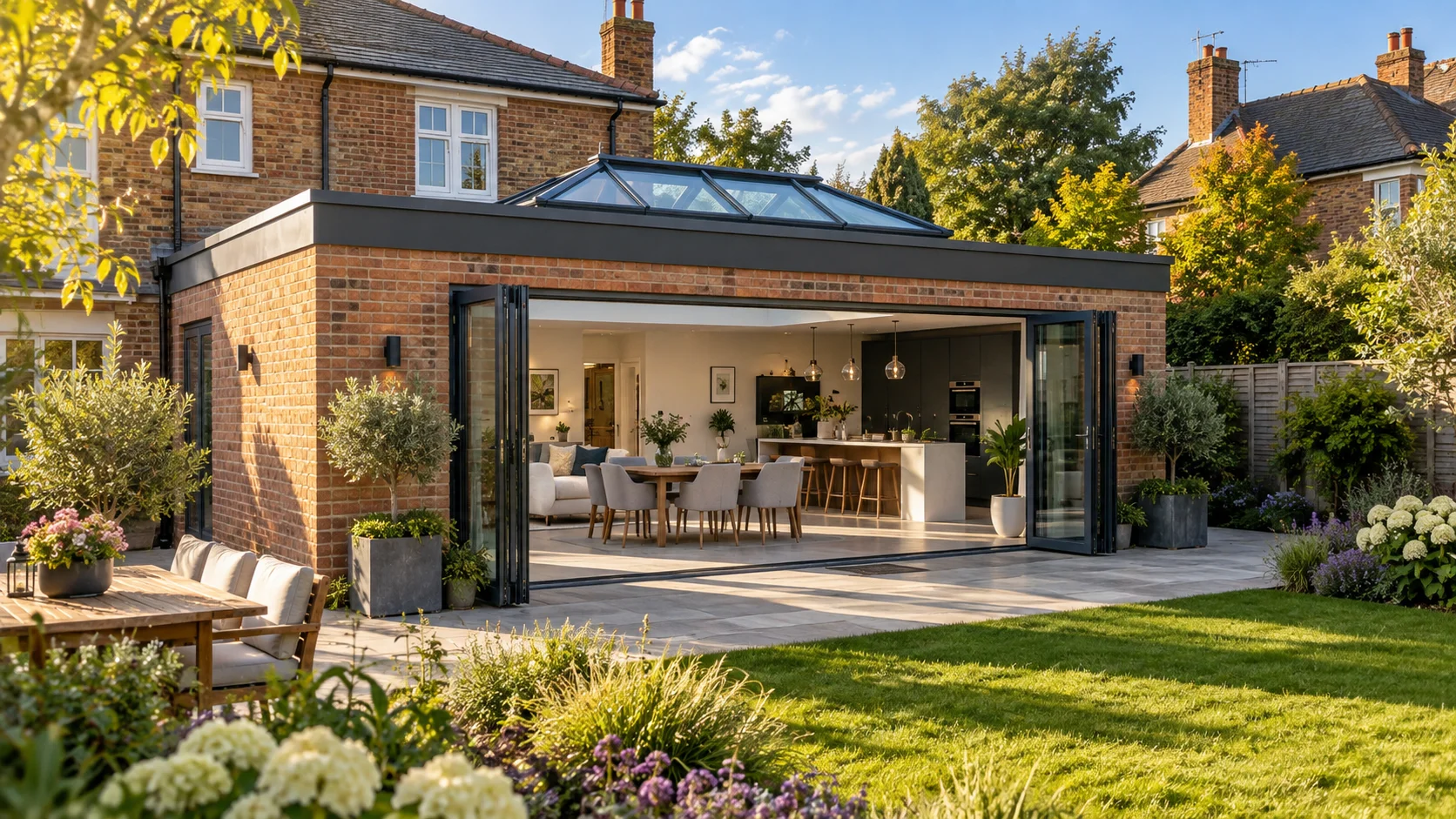
The visual result is pronounced. An aluminium roof lantern looks architectural, slim frames, maximum glass, elegant proportions. A uPVC lantern looks heavier, more product-like, and visually closer to a conservatory roof than to a premium architectural detail. In a contemporary kitchen extension, the difference is immediately apparent.
Thermal Performance
Modern thermally broken aluminium frames achieve better U-values than uPVC frames of equivalent size. The thermal break in the aluminium frame, which separates the inner and outer sections of the frame with a non-conducting polyamide bar, prevents cold conduction through the metal. Quality aluminium lanterns achieve whole-unit U-values of 1.4–1.8 W/m²K. uPVC frames rely on the thermal properties of the polymer and achieve comparable values, but the glazing specification and frame geometry of aluminium systems generally produces a better overall result in premium applications.
Durability and Lifespan
Aluminium does not warp, swell, shrink, crack, or degrade under UV exposure. The powder-coated finish is heat-bonded to the metal surface and does not peel, fade, or require renewal under normal conditions for 25–30 years.
uPVC is subject to UV degradation over time, the surface becomes chalky and discoloured, and white uPVC that yellows on a roof lantern is difficult to reverse. The joints and cellular structure of uPVC can also be compromised by temperature cycling, the expansion and contraction of a sun-facing roof element is considerable over decades.
Origin backs their aluminium lanterns with a 20-year guarantee. Most uPVC manufacturers offer 10 years at best, and the condition of the product at year 10 is often visibly worse than an aluminium equivalent.
Colour Options
Aluminium is powder-coated in any RAL colour, hundreds of options, including dual colour. uPVC lanterns are available in a limited colour palette, typically white, cream, grey, and occasionally black. If you want anthracite grey, dark bronze, or any colour that matches your bifold doors and window frames, uPVC cannot deliver it.
The Upfront Cost Argument
uPVC lanterns are cheaper to buy. The argument for them rests primarily on upfront cost. But when assessed over 20 years, factoring in replacement likelihood, the cost of cosmetic deterioration, and the impact on property value of a lantern that looks tired, the cost difference narrows significantly.
A premium aluminium roof lantern that looks as good in 2045 as it does in 2025 is a fundamentally different proposition from a cheaper uPVC version that requires replacement or significant remediation in the same period.
Explore more
Author at Smartaview, writing about aluminium glazing, home improvements and the buying process.