Are Aluminium Windows Warm? Thermal Breaks and U-Values Explained
Modern aluminium windows are warm thanks to a polyamide thermal break. Here is how it works, what U-values mean, and how to hit strong energy performance.
Yes, modern aluminium windows are warm. The old belief that metal frames are cold comes from decades ago, before the thermal break. Today's aluminium windows use a polyamide thermal break, an insulating barrier built into the frame, that stops heat escaping through the metal. Paired with good glazing, they deliver excellent energy performance that stands alongside uPVC.
This is the single most common misunderstanding about aluminium windows, so it is worth clearing up properly.
Where did the cold metal idea come from?
Metal conducts heat, and very early aluminium frames were a single piece of metal running from outside to inside. That gave heat an easy path to escape and could feel cold to the touch. The technology moved on a long time ago. Every quality aluminium window today is built differently.
What is a thermal break?
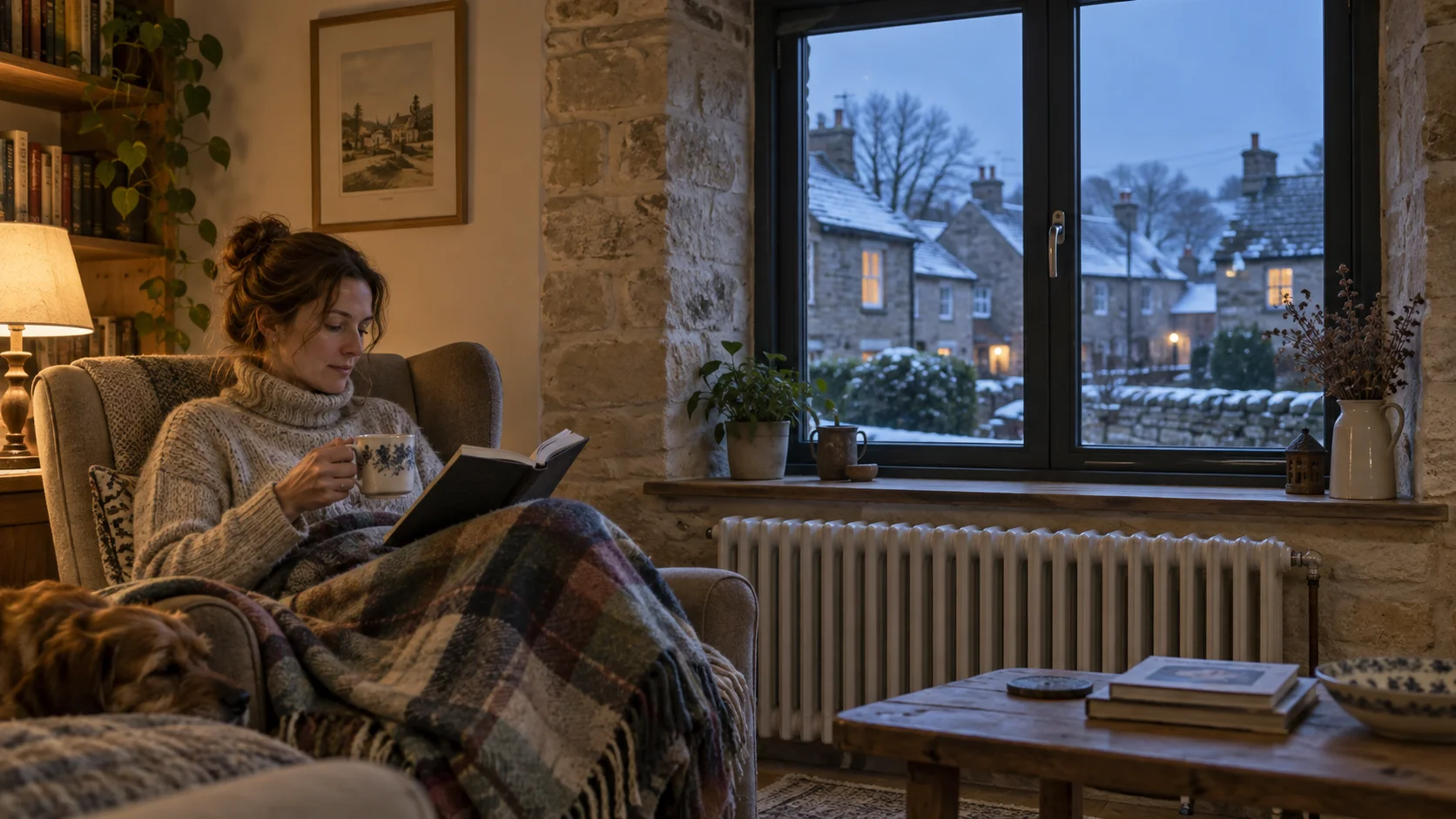
A thermal break is an insulating barrier, usually made of polyamide, that sits inside the frame and separates the outer metal from the inner metal. Heat cannot flow straight through the frame because the insulating barrier interrupts the path. The outside of the window can be cold while the inside stays warm, exactly as you want. This is standard on modern aluminium systems and is why they perform so well.
What is a U-value?
A U-value measures how easily heat passes through the window. The lower the number, the better the insulation. It is the key figure to look at when comparing thermal performance. A well-specified aluminium window with a thermal break and quality double or triple glazing achieves low U-values that meet current building standards.
What makes the biggest difference to warmth?
Three things work together:
- The thermal break in the frame, which stops heat escaping through the metal.
- The glazing. Double or triple glazed sealed units, with a soft-coat low-emissivity coating, a warm edge spacer bar, and argon or krypton gas between the panes, do most of the insulating work.
- The seals. Good weather seals stop draughts, and a stable aluminium frame keeps those seals working for years.
Can aluminium windows meet building regulations?
Yes. Modern aluminium windows are designed to meet current building regulations for thermal performance, and can be specified with double or triple glazing to hit the required U-values. You do not sacrifice warmth to choose aluminium.
Warm, efficient and beautifully slim. SmartaView aluminium windows use a modern thermal break and quality glazing, priced live online with free UK mainland delivery on all orders. See the range at smartaview.com.
Frequently asked questions
Are aluminium windows cold?
No. Modern aluminium windows use a polyamide thermal break that insulates the frame, so the inside stays warm. The cold metal idea is decades out of date.
What is a thermal break?
An insulating barrier, usually polyamide, built into the frame to separate the outer and inner metal so heat cannot flow straight through.
What is a good U-value for a window?
The lower the U-value, the better the insulation. A well-specified aluminium window with a thermal break and quality glazing achieves low U-values that meet current building standards.
Do aluminium windows meet building regulations?
Yes. Specified with a thermal break and double or triple glazing, aluminium windows meet current building regulations for thermal performance.
Related reading
Author at Smartaview, writing about aluminium glazing, home improvements and the buying process.