Do Roof Lanterns Need Planning Permission? UK Guide
A roof lantern may be covered by the planning status of a compliant extension, but permission can still be required because of its height, location, heritage controls or removed permitted-development rights.
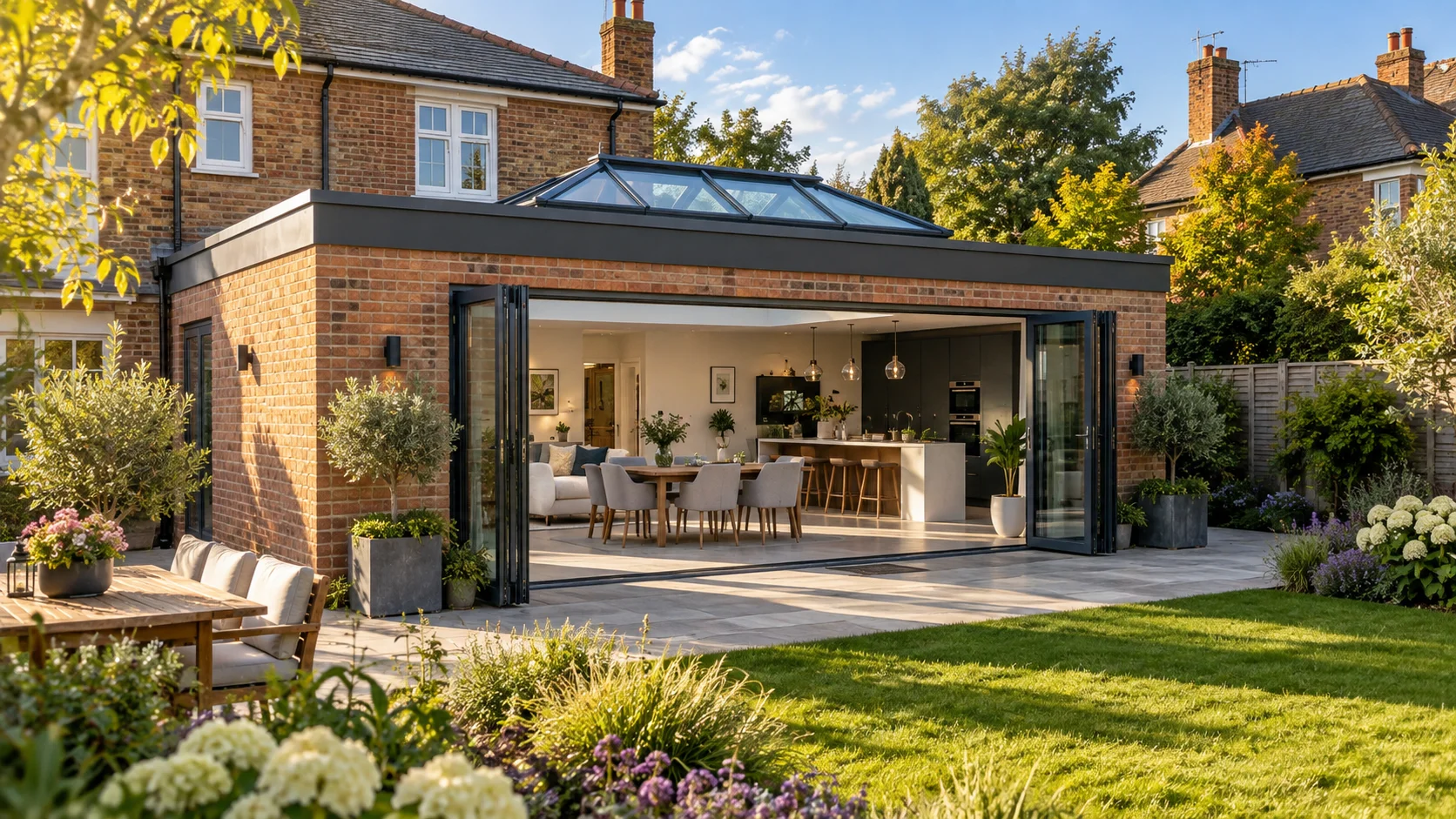
In most cases, a roof lantern fitted as part of a compliant single-storey extension will be covered by the planning status of the wider project. However, permission may still be required if the lantern increases the approved roof height, faces a sensitive elevation, affects a listed building or conservation area, or permitted-development rights have been removed.
This guide explains the position for UK homeowners in plain English. Planning rules differ across England, Wales, Scotland and Northern Ireland, so confirm the final design with your local planning authority or appointed designer before work begins.
Does a roof lantern need planning permission?
There is no universal yes-or-no answer. A lantern installed within a new extension is normally considered as part of that extension rather than as a completely separate project. If the extension already has planning permission, the lantern should match the approved drawings and roof height. If the extension is being built under permitted development, the complete proposal must remain within the relevant limits and conditions.
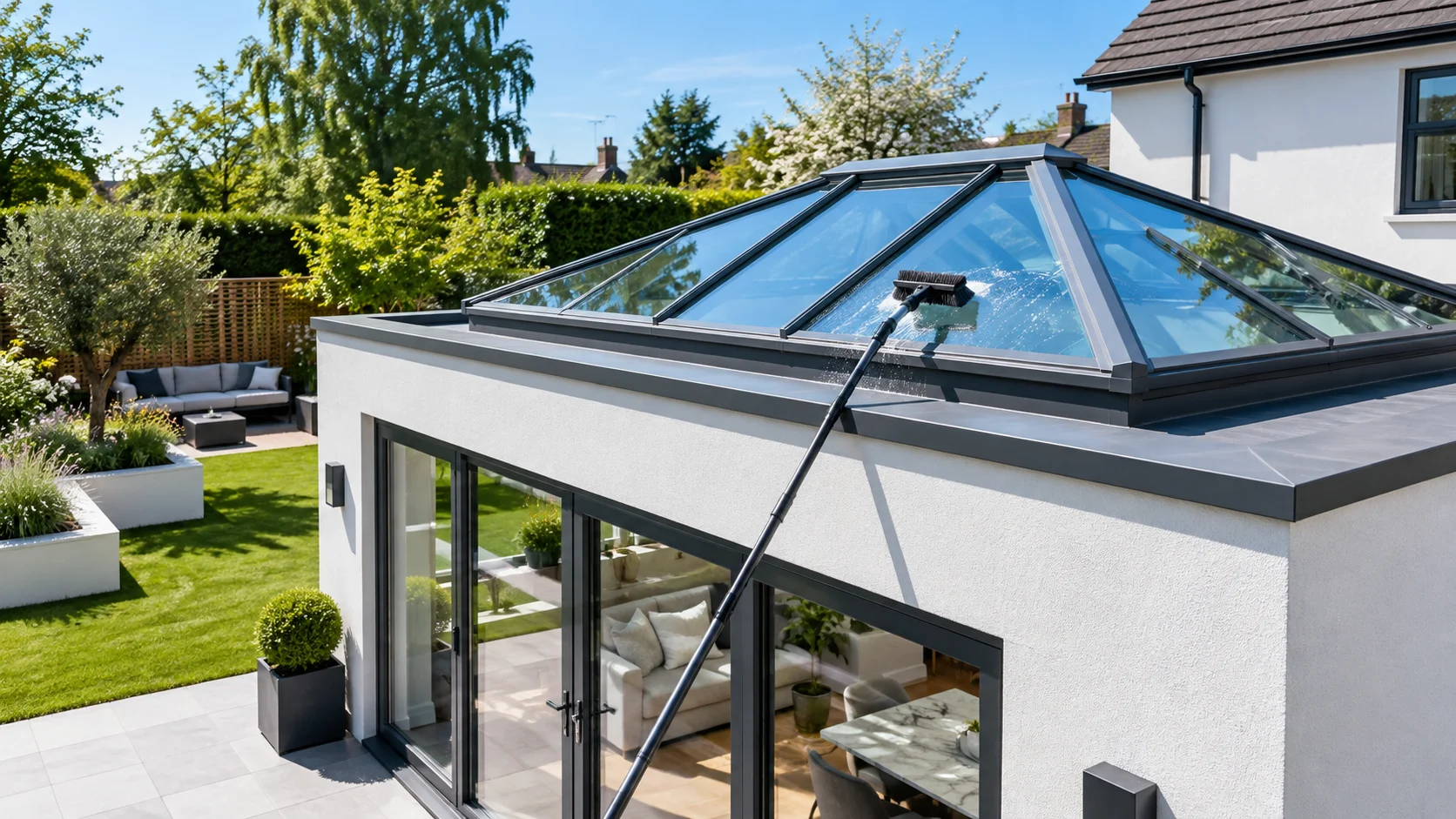
A lantern added to an existing flat roof can alter the height and external appearance of the building. That means its dimensions, position and visibility matter. A low-profile rooflight and a raised roof lantern are not always treated in exactly the same way.
When planning permission is more likely to be required
- The lantern would take the extension above the permitted or approved height.
- The property is listed or lies within a conservation area, National Park, World Heritage Site or other designated land.
- An Article 4 direction or an earlier planning condition has removed permitted-development rights.
- The building is a flat, maisonette or leasehold property rather than a house with normal householder rights.
- The lantern changes a principal elevation or is especially prominent from a road or neighbouring property.
- The proposal differs materially from drawings that already received planning consent.
Permitted development in England
In England, householder permitted-development rights are set out in the General Permitted Development Order. Class A covers many extensions, while Classes B and C deal with roof enlargements and other roof alterations. The government’s technical guidance explains that every relevant limitation and condition must be satisfied; one part of a project cannot be considered in isolation.
Class C commonly applies to rooflights and limits projections from an original roof slope. A raised roof lantern on a flat-roof extension may instead need to be assessed as part of the overall extension design. Do not assume that the 150mm rooflight projection rule automatically approves a lantern.
See the official GOV.UK householder permitted-development guidance for the current rules in England.
Planning permission and Building Regulations are different
Planning controls the development’s size, position and effect on its surroundings. Building Regulations cover matters such as structure, thermal performance, safety glazing, weather resistance and the supporting roof opening. A project may not need planning permission but can still require Building Regulations approval.
Creating a large opening in a roof normally affects the structure. The surrounding beams, joists and upstand must carry the roof and lantern loads safely. The glazing specification and insulated upstand also influence heat loss and condensation risk. The GOV.UK Building Regulations guidance and Planning Portal rooflight guidance explain why approval is commonly required for new roof glazing.
Listed buildings and conservation areas
Listed Building Consent may be required even where ordinary planning permission is not. Conservation areas and Article 4 directions can also restrict work that would normally be permitted development. Contact the local planning authority before ordering a made-to-measure lantern if the property has any heritage designation.
Does replacing an existing roof lantern need permission?
A like-for-like replacement of the same size, position and appearance is less likely to need planning permission than a new or enlarged lantern. Approval may still be needed if the building is listed, the new unit changes the roof height or external appearance, or earlier planning conditions control the glazing. Building Regulations and safety requirements may also apply.
What documents should you keep?
- Approved planning drawings or permitted-development assessment
- Building Control approval and completion information
- Structural calculations for the roof opening
- Manufacturer drawings and declared thermal performance
- Glazing and safety specifications
- Installation, guarantee and maintenance documents
For extra certainty, a homeowner can ask the local authority whether a Lawful Development Certificate is appropriate. This can provide useful evidence when the property is sold.
Roof lantern planning checklist
- Confirm whether the extension already has consent or relies on permitted development.
- Compare the lantern’s external height and footprint with the approved roof design.
- Check for listed status, conservation-area controls, Article 4 directions and planning conditions.
- Ask Building Control and a structural professional about the opening, loads, insulation and glazing.
- Confirm the final external kerb dimensions before ordering.
- Keep the approvals and product documents with the property records.
Frequently asked questions
Can I put a roof lantern on an existing flat roof?
Often yes, provided the structure can support the new opening and the planning position is acceptable. The roof, upstand, waterproofing and glazing must be assessed together.
Is a roof lantern covered by permitted development?
It may be, particularly when it forms part of a compliant house extension, but the whole proposal must satisfy the applicable limits. Designated land, flats, listed buildings and removed rights require extra checks.
Do I need Building Regulations approval?
Frequently. A new roof opening affects structure, energy performance and safety. Confirm the route with a Building Control body before construction starts.
Will a roof lantern affect the permitted height of an extension?
It can. The lantern projects above the flat roof, so its highest point should be considered when checking the overall design against permitted or approved dimensions.
Should I order the lantern before obtaining approval?
No. Confirm planning, structural and kerb requirements first. Bespoke roof lanterns are made to order and cannot normally be resized after manufacture.
Explore aluminium roof lanterns
Once the planning position, structure and kerb dimensions are confirmed, compare Smartaview aluminium roof lanterns and price your specification online. Smartaview supplies products only; installation and statutory approvals remain the responsibility of the competent professionals managing the project.
Last reviewed: 16 September 2026. This article provides general information, not project-specific planning or legal advice.
Author at Smartaview, writing about aluminium glazing, home improvements and the buying process.