Do Roof Lanterns Make a Room Too Hot? Glazing and Solar-Control Guide
Roof lanterns can transform a room without making it uncomfortable. Learn how glazing, orientation, ventilation and shading control summer heat.
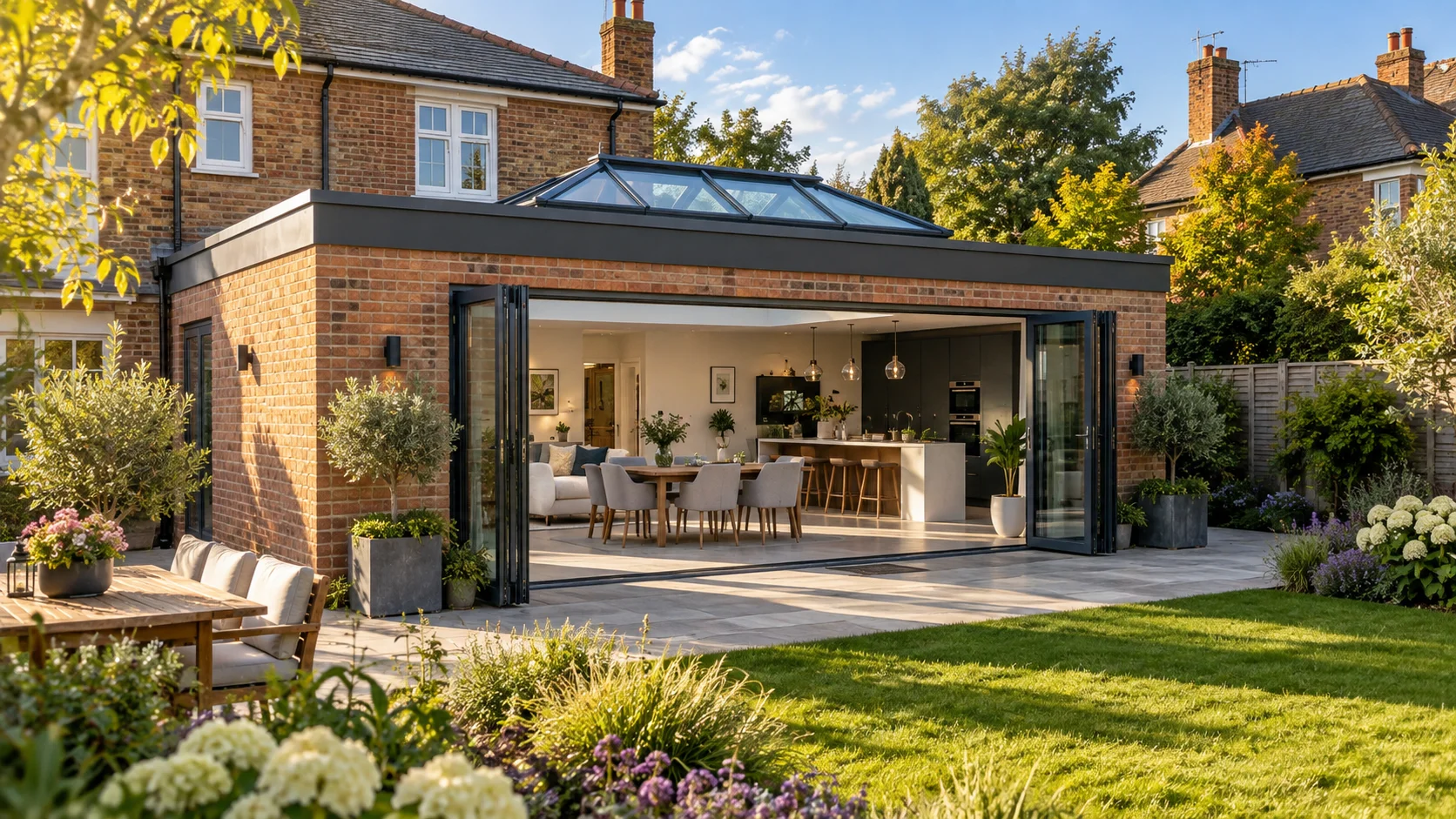
A roof lantern adds daylight from above, but homeowners often worry that the room will become too hot in summer. Overheating is not inevitable. Glass specification, orientation, ventilation and the rest of the room design make the biggest difference.
WHY CAN GLAZED EXTENSIONS OVERHEAT?
Solar energy enters through glass and warms internal surfaces. A large south- or west-facing lantern receives stronger afternoon sun than a north-facing one. Wide glazed doors, limited ventilation and dark internal finishes can add to the heat load.
CHOOSE THE RIGHT GLASS
Ask about solar-control glazing as well as the U-value. A low U-value describes heat loss, while solar-control performance concerns how much solar energy passes through. The best specification balances daylight, winter efficiency and summer comfort.
VENTILATION AND SHADING
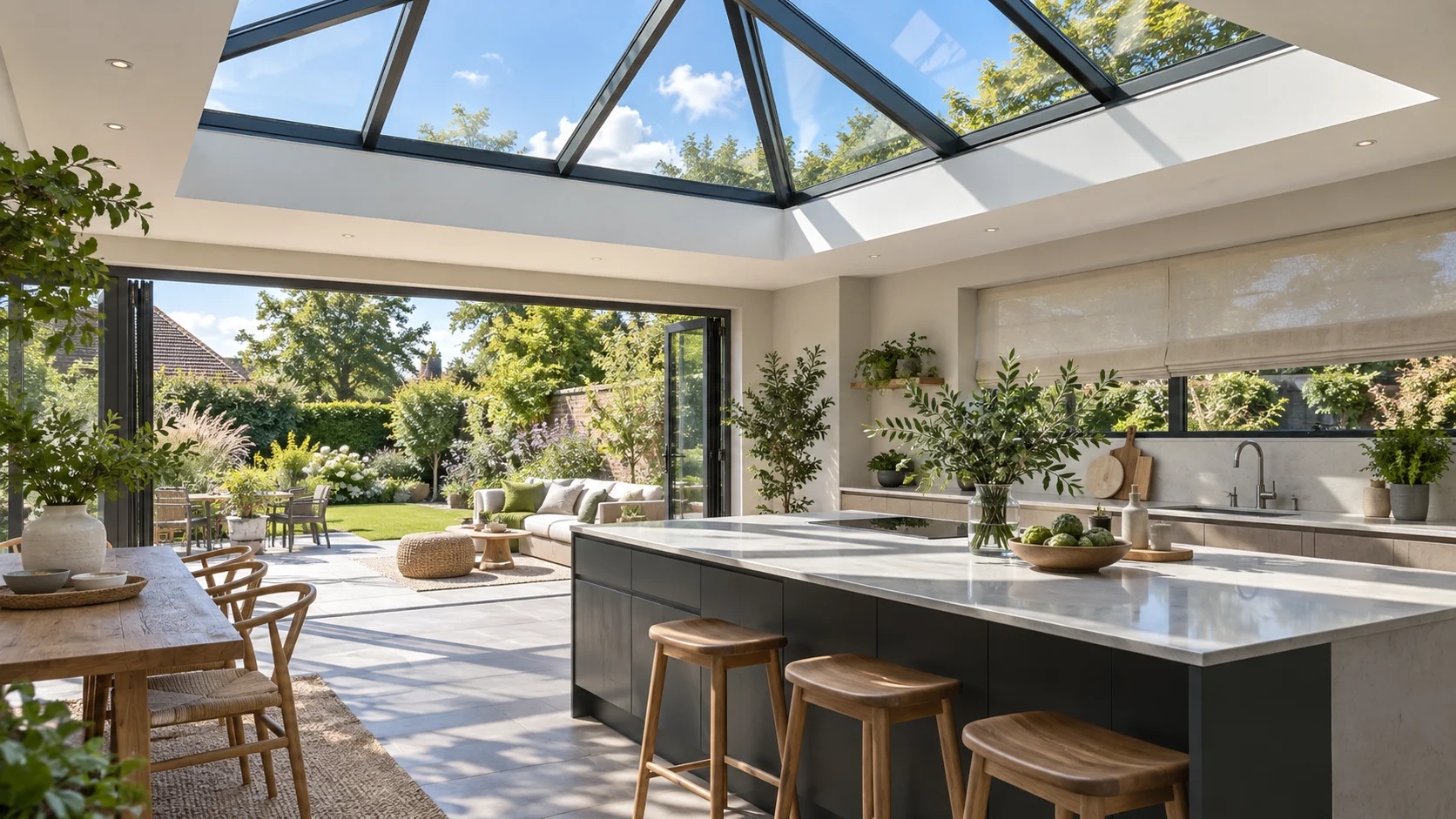
Opening doors and windows on opposing sides creates cross-ventilation. Automated roof vents, external shade from planting and discreet internal blinds can also help. Good design considers all glazing in the room, not only the lantern.
PLAN FOR YOUR ROOM
Think about orientation, lantern size, local shade and how the room will be used. Explore configurable Smartaview aluminium roof lanterns:
https://smartaview.com/product-types/roof-lanterns
DO ROOF LANTERNS ALWAYS NEED BLINDS?
No. Many well-specified rooms remain comfortable without them, but blinds provide flexibility for glare, privacy and exceptional heatwaves.
Author at Smartaview, writing about aluminium glazing, home improvements and the buying process.