Extension Ideas for More Natural Light: What Actually Works
A dark extension is a design failure. Here's a practical guide to the design decisions, doors, roof lights, finishes, that genuinely deliver more natural light.
A dark extension is a common and entirely avoidable outcome. It happens when the focus during design is on floor area rather than light, when the brief says 'bigger kitchen' without specifying 'brighter kitchen'. The result is an extension that adds square footage but not the quality of life its owners were hoping for.
Here's what actually works. Not theory, practical design decisions that have a measurable impact on how much natural light reaches an extension.
1. Maximise the Glazed Rear Wall
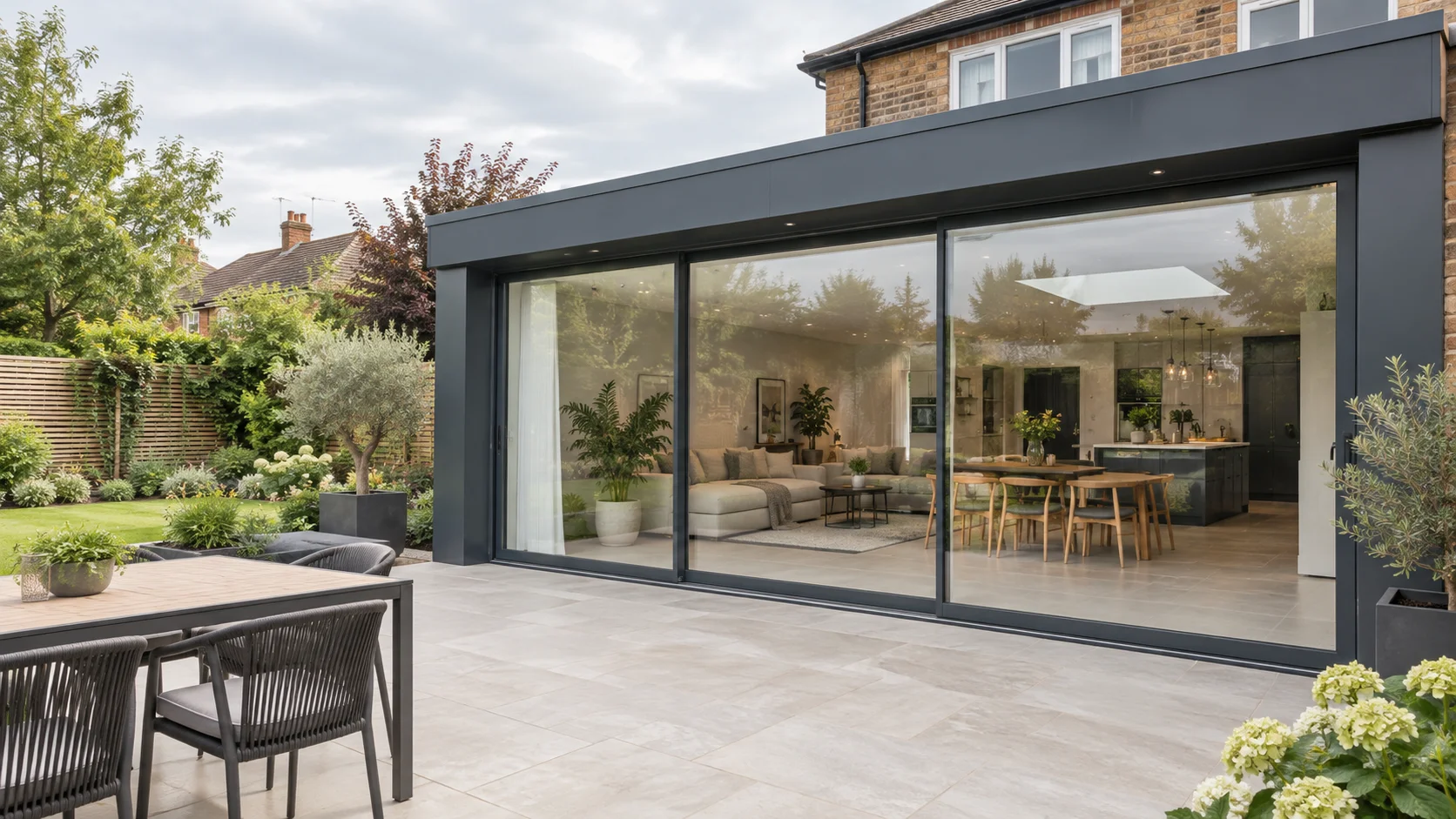
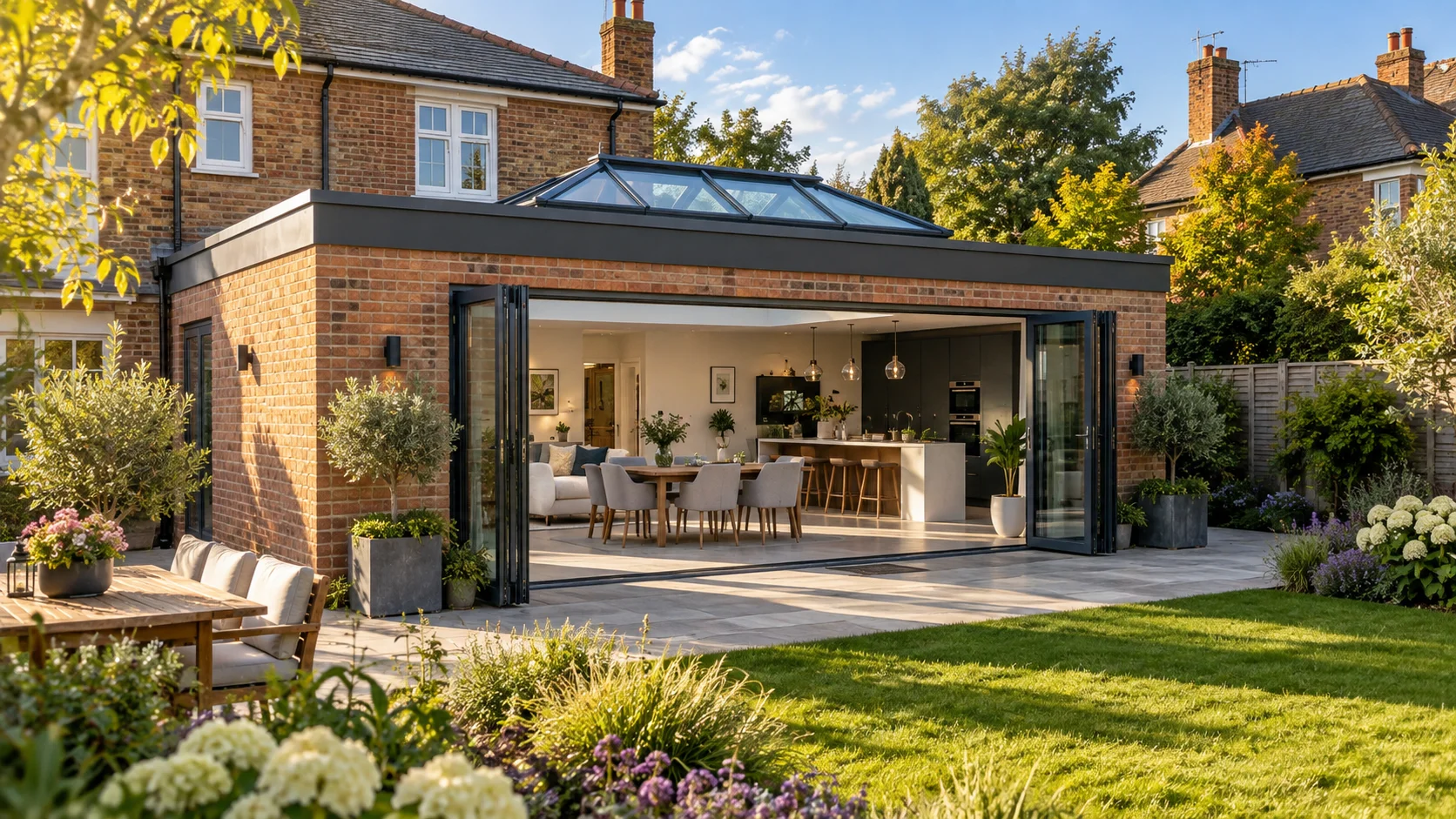
The single most impactful thing you can do for natural light in a rear extension is fill the rear wall with glass. A set of bifold or sliding doors spanning the full width of the extension, from near floor level to near ceiling level, delivers vastly more light than a conventional window-and-door combination. This is not about aesthetics primarily, it's about light. A south or west-facing rear extension with full-width bifolds on a clear winter morning is genuinely bright without any artificial light.
2. Add a Roof Light
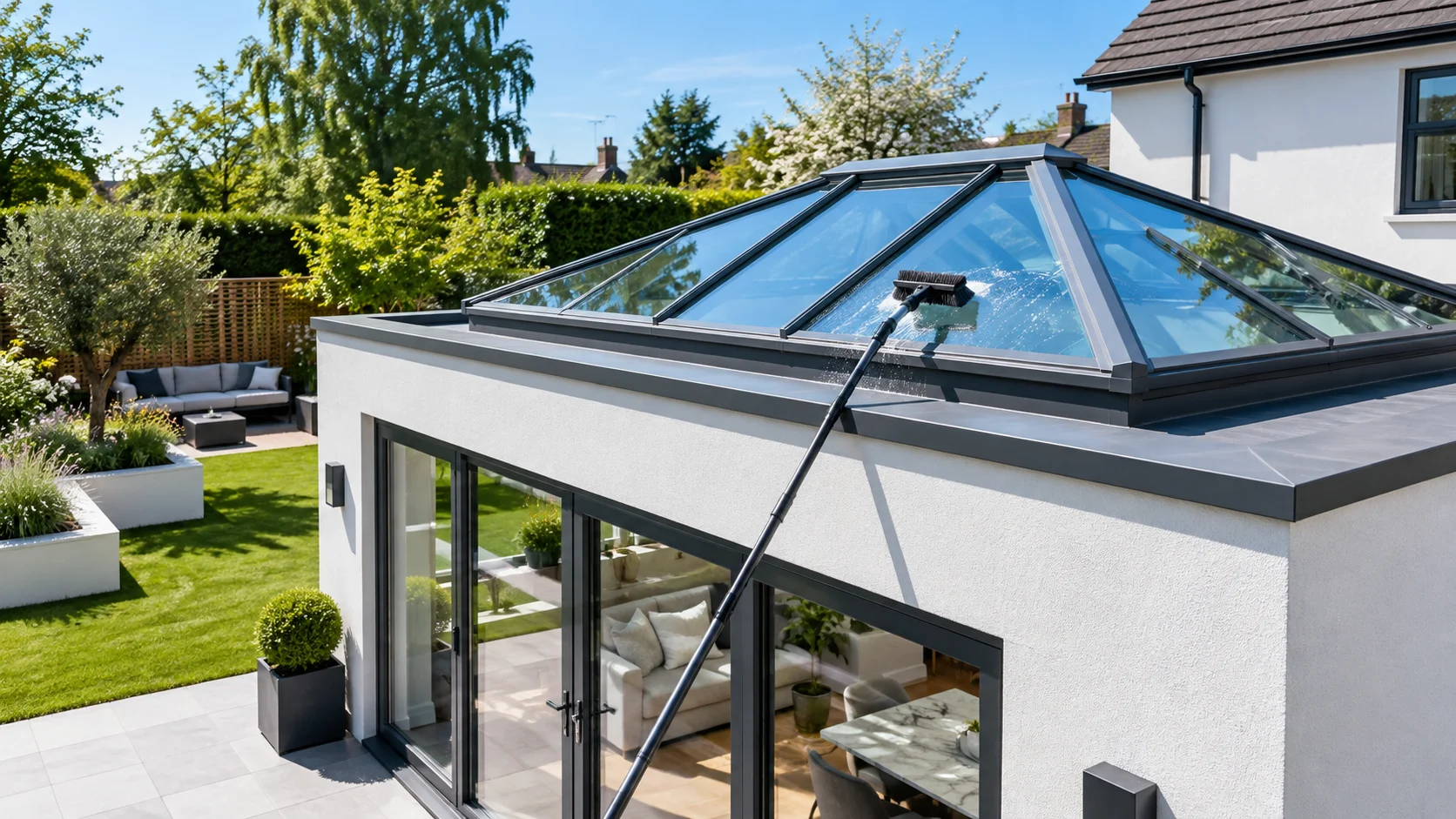
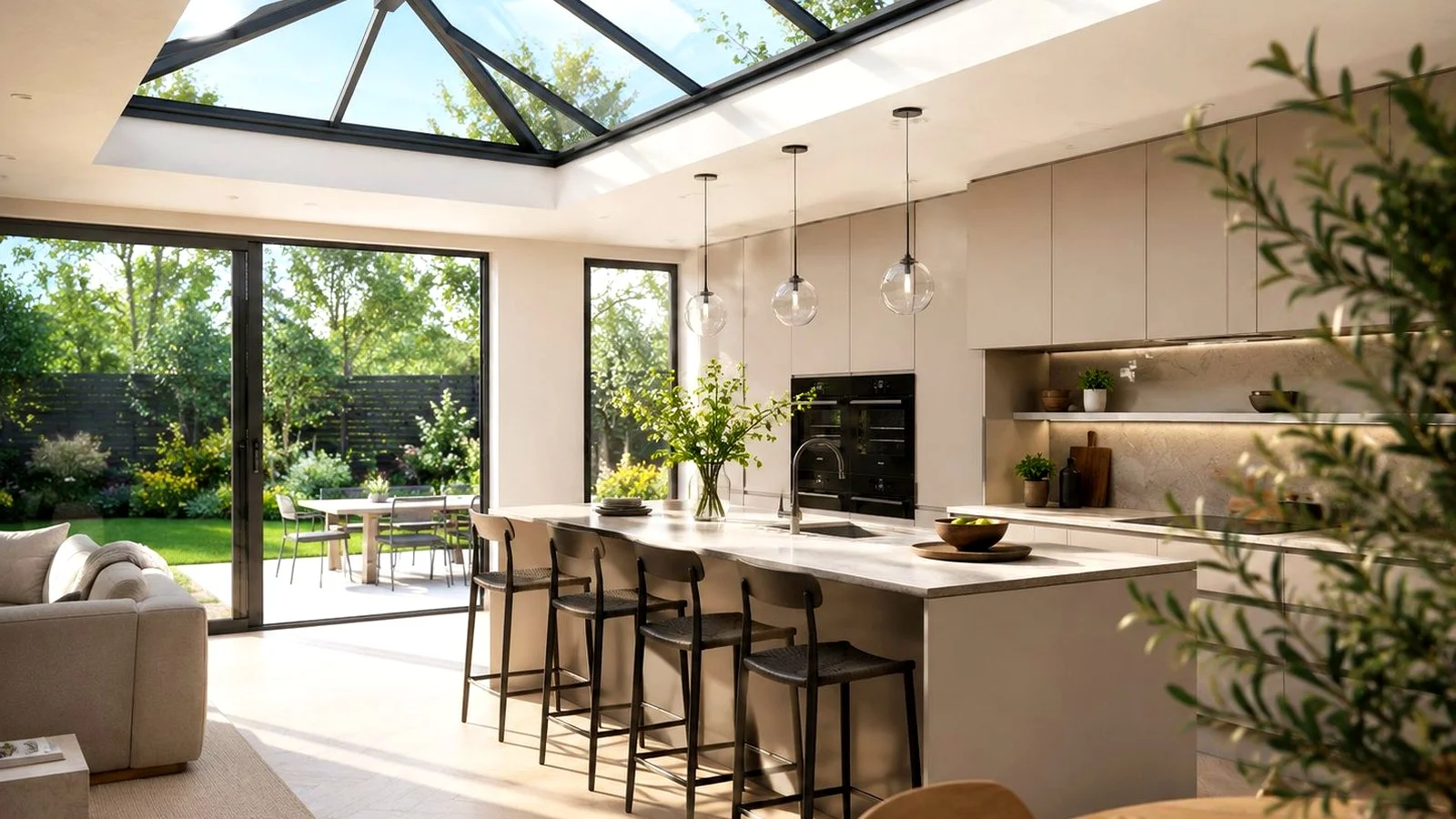
Light from above is qualitatively different from light through a vertical window, it has a directness and intensity that vertical glazing can't match, particularly in deeper rooms where the back half of the space is far from any window. A flat roof light positioned in the ceiling of the extension, sized at 15–20% of the floor area, makes a dramatic difference to the ambient light level throughout the day.
For rooms over 15m², two roof lights, one near the front, one near the rear, distribute light more evenly than a single large one. For the deepest impact, position the roof light directly above the kitchen island or dining table, the space where artificial light is most often needed and daylight most transforms the experience.
3. Use Slim Frame Profiles
Frame width matters. A bifold door with 100mm-wide aluminium frames loses significantly more glass area to frame than one with 40mm frames. Slim-profile aluminium systems, Origin's range included, maximise the glass-to-frame ratio and deliver more light into the room from the same physical opening size. This is not a minor effect: on a six-panel bifold, the difference between 40mm and 100mm frames amounts to several hundred square centimetres of additional glass.
4. Specify the Right Glass
Glass choice affects how light enters the room. Standard float glass transmits approximately 90% of visible light. Low-iron glass, which removes the greenish tint of standard glass, transmits around 91–92% and is noticeably cleaner and brighter in appearance. Low-e coatings, while essential for thermal performance, can reduce light transmission slightly, specify low-e coatings with high visible light transmission ratings for the best balance.
On south-facing extensions, solar control glass manages the trade-off between light and heat. It reduces glare and prevents overheating without significantly reducing daylight, a better outcome than external blinds or internal curtains that simply block light entirely.
5. Use Light-Reflective Interior Finishes
Natural light behaves differently in a room with white walls and pale floors versus a room with dark surfaces. A bright white or near-white ceiling bounces light from the roof light and windows into the depth of the room. Dark wall colours absorb light and make the room feel smaller. If you're committed to darker tones on the walls, keep the ceiling and floor finishes light to maintain the reflective quality of the space.
6. Consider the Orientation
South-facing extensions receive sunlight for much of the day in both summer and winter. East-facing extensions are bright in the morning. West-facing in the afternoon and evening, ideal for kitchen-diners used at dinner time. North-facing extensions receive the least direct sun and benefit most from maximising glazing area, using roof lights, and specifying lighter interior finishes.
Talk to SmartaView About Door and Roof Light Specification for Maximum Light in Your Extension
Explore more
Author at Smartaview, writing about aluminium glazing, home improvements and the buying process.