Toughened vs Laminated Glass: Which Safety Glass Do You Need?
Toughened and laminated glass are both safety glass, but they behave differently and the regs require them in specific places. Here is which you need, and where.
If you are glazing near a door, a low window or a staircase, building regulations require safety glass, and you have two choices: toughened or laminated. They are both far safer than ordinary glass, but they break differently and suit different jobs. Here is how to choose.
How each one behaves
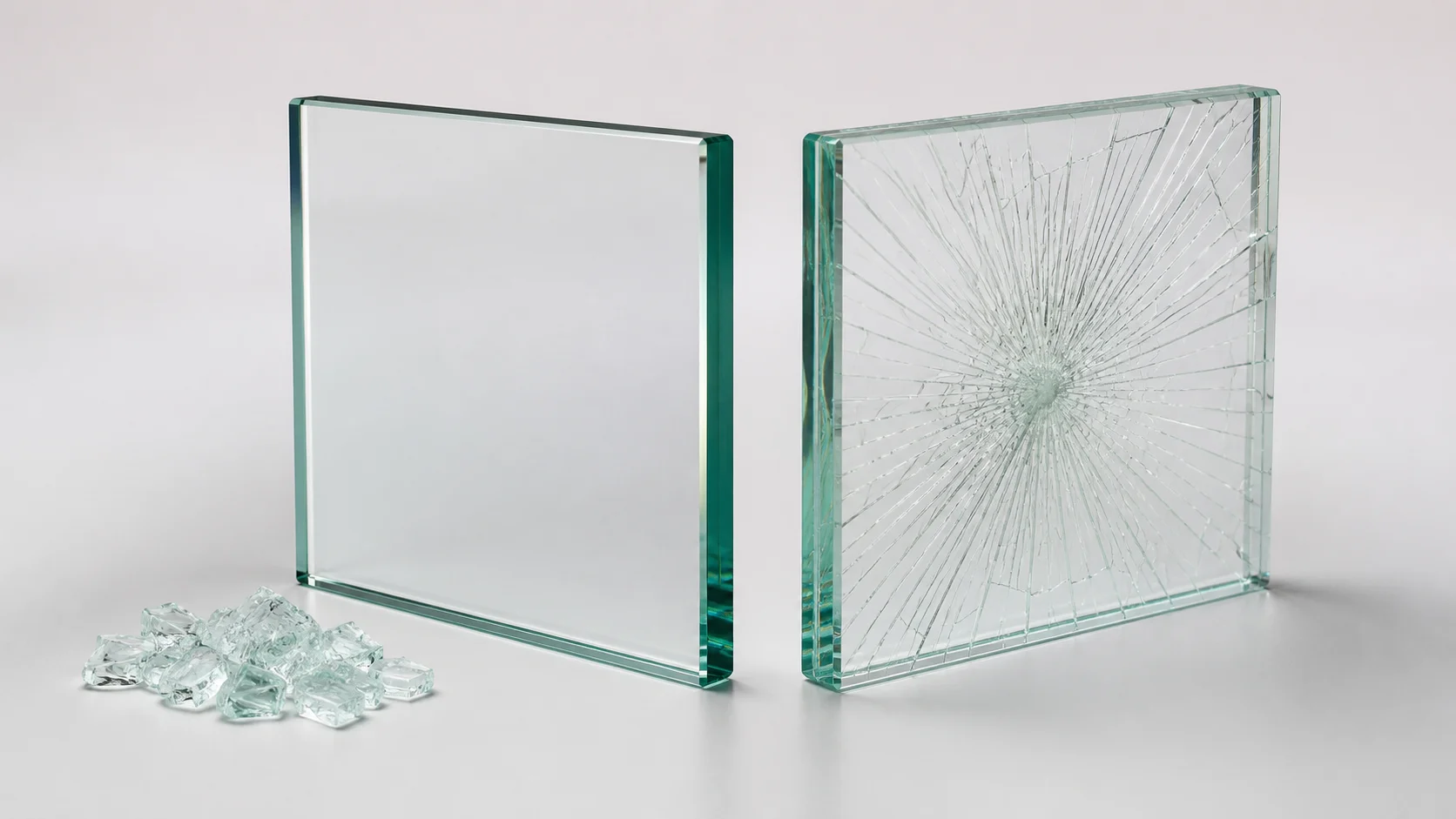
Toughened glass is heat-treated so that if it breaks, it shatters into small, blunt granules rather than sharp shards. Laminated glass is two panes bonded with a tough interlayer, so if it breaks the pieces stay stuck to the layer rather than falling away. Toughened is about safe breakage; laminated is about staying in place and holding together.
Where the regulations require it
UK building regulations (Approved Document K, to BS 6206) call out critical locations where safety glass is mandatory:
- In and beside doors, up to shoulder height
- Low-level glazing below 800mm from the floor
- Glazing beside stairs and on landings
- Wet areas and bathrooms where slips are a risk
When laminated wins
Laminated is the choice where security or overhead safety matters - it holds together if struck, resists forced entry for longer, and is safer above head height because it does not fall. It also blocks more sound and UV. For a standard low-level or door-side pane, toughened is usually the cost-effective route.
Ordering the right safety glass
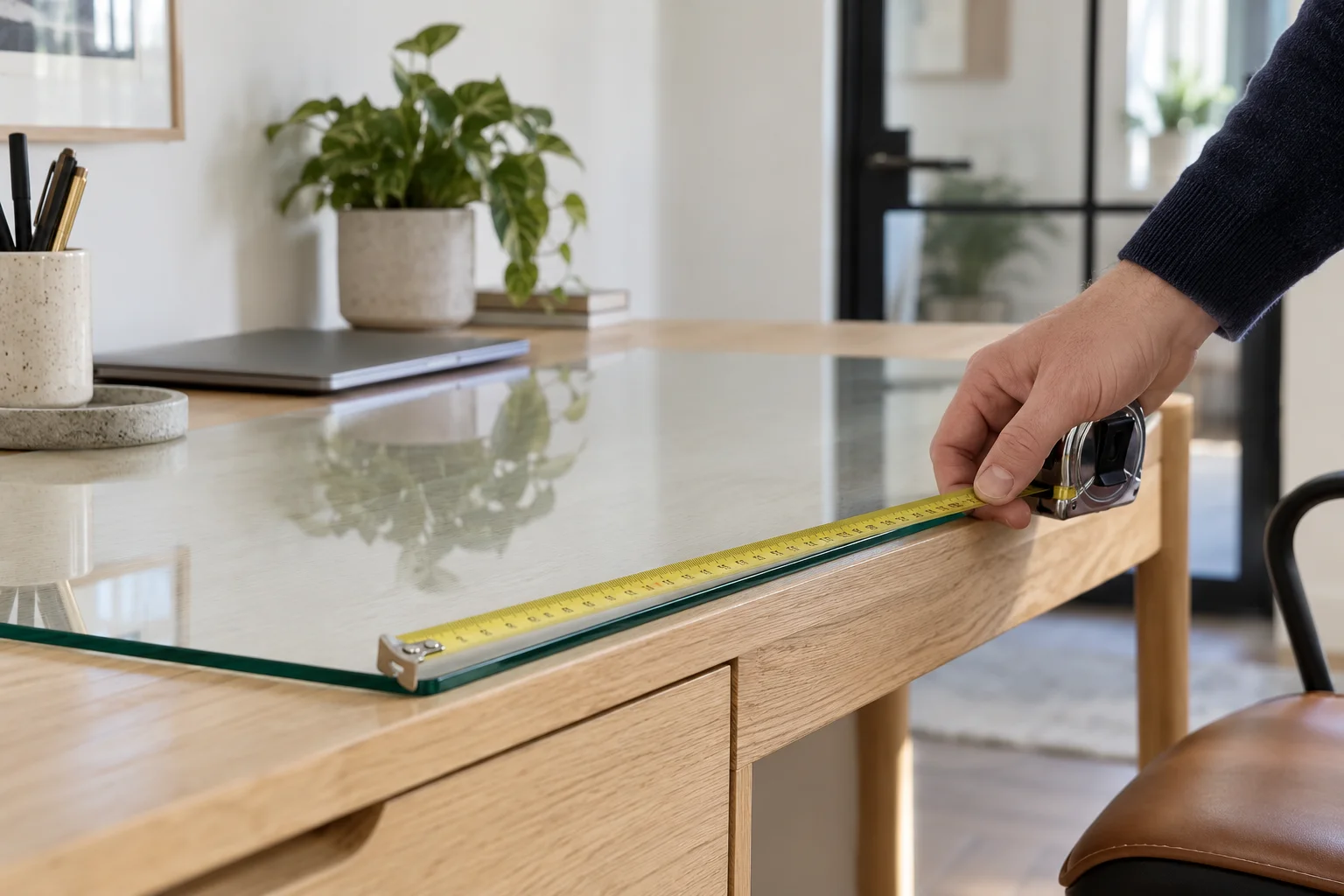
Both toughened and laminated options are available cut to your exact size. If you are not sure whether an existing pane is safety-rated, look for a small etched kite mark in the corner; if there is not one, and it is a critical location, it should be replaced.
Order the right safety glass for the location, cut to measure. Start with the toughened and laminated options.
Author at Smartaview, writing about aluminium glazing, home improvements and the buying process.